
Saleem and History as a Personal Conflict
Midnight's ChildrenThis flow traces Saleem’s growing resistance to the burden of explaining national events through his own life.
increasing Bearing strength in each event
 decreasing
Bearing strength in each eventdecreasingA Claim of Centrality

The Child as Historical Cause
Narration
Saleem repeatedly claims that his birth and body alter the course of India’s history.
Doubt
His account’s comic confidence is shadowed by the possibility that he invents causality to resist absurdity.
Accidental Political Acts

History Through Mishap
Effects
A rhyme helps ignite a language riot, and pepperpots model a coup.
Conflict
Saleem’s symbolic interventions seem meaningful even when they are childish, accidental, or morally confused.
Private Revenge, Public Consequences
The Sabarmati Affair
Action
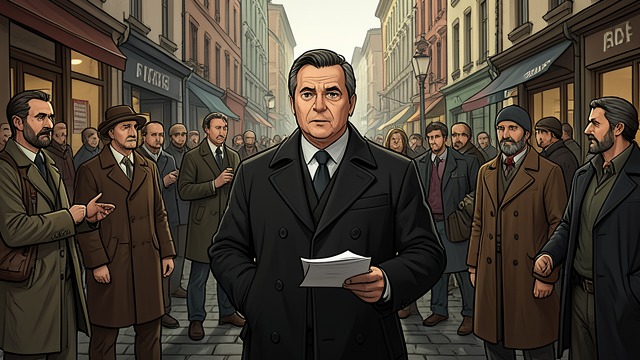
Saleem’s anonymous note exposes Lila Sabarmati’s affair and leads Commander Sabarmati to murder her lover.
Guilt
He recognizes that his private resentment has helped trigger a national legal and political crisis.
The Failed Savior
Responsibility Without Control
Complicity
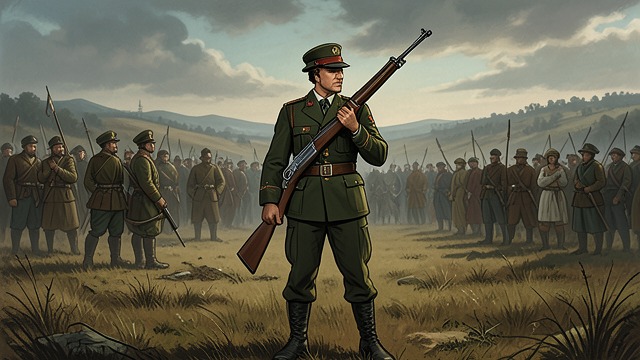
Saleem guides troops to Sheikh Mujib, then later betrays the Midnight’s Children under interrogation.
Crisis
His ambition to shape history becomes evidence of his powerlessness and moral failure.
A Smaller Future

Life Beyond Destiny
Reflection
Saleem accepts that memory and narration give shape to a past but cannot control events.
Ending
His proposed marriage to Padma offers a modest future, though the crowd still threatens to crush him.
1947 onward
1957 to 1958
1958
1971 to 1976
1977 to August 1978
